
Safe historical restoration services to clean years of soot, grime, lead paint and more without damaging original surfaces
Cleaning a heritage building requires removing tough soot, grime, and old paint without causing permanent structural damage to the property. Traditional chemical washes and heavy sandblasting grit frequently fracture soft century-old brickwork, blow out original lime mortar joints, and rot historic wood framing.
Wickens brings the right tools and technical judgment across every project, testing surfaces first rather than blindly blasting. Our crews custom-create a cleaning process specific to the surface, using tools like DOFF, JOS/TORC, vortex cleaning, and even dry ice blasting to keep original architectural details intact while completing the cleanup safely.

What Historical Restoration Services We Perform
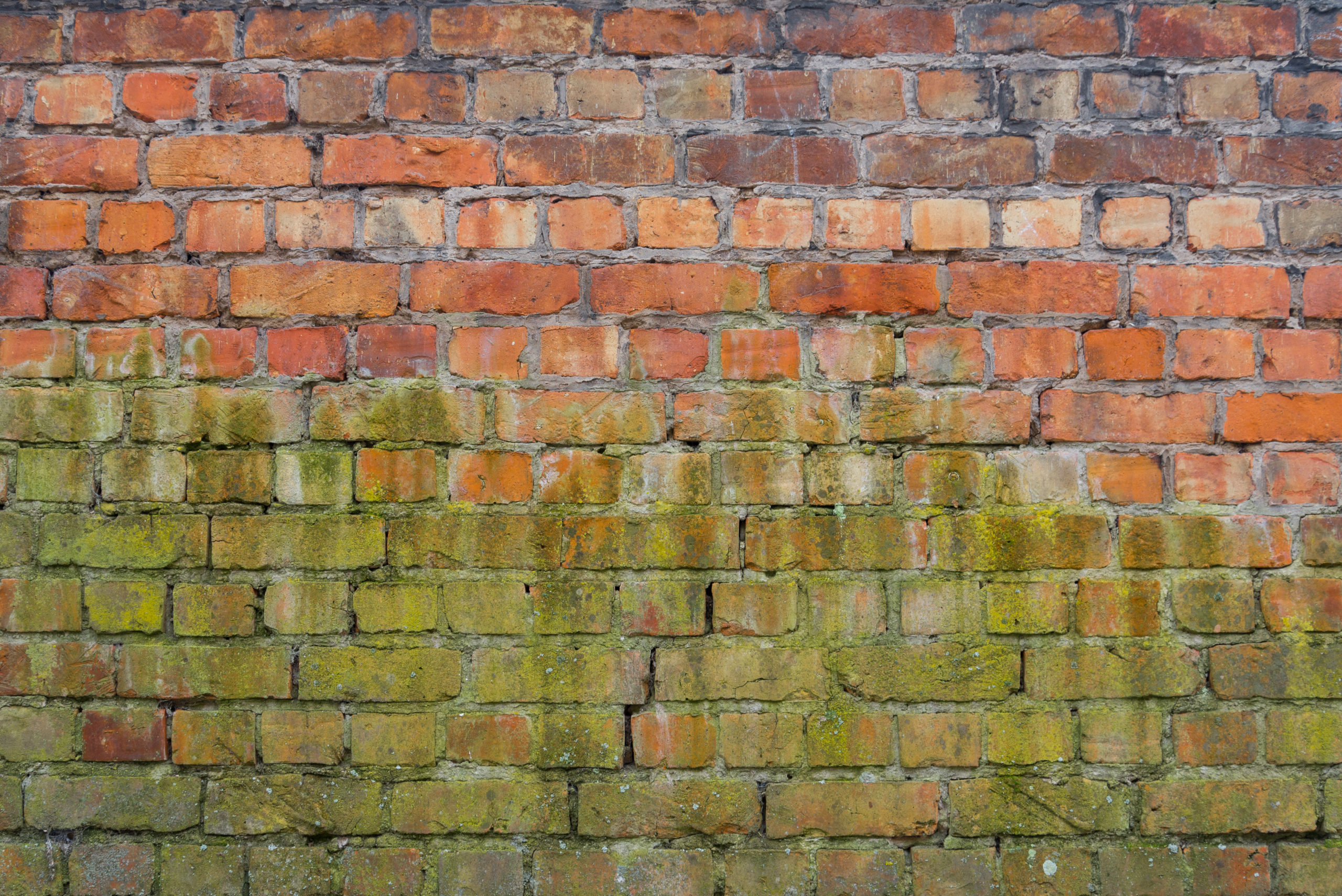

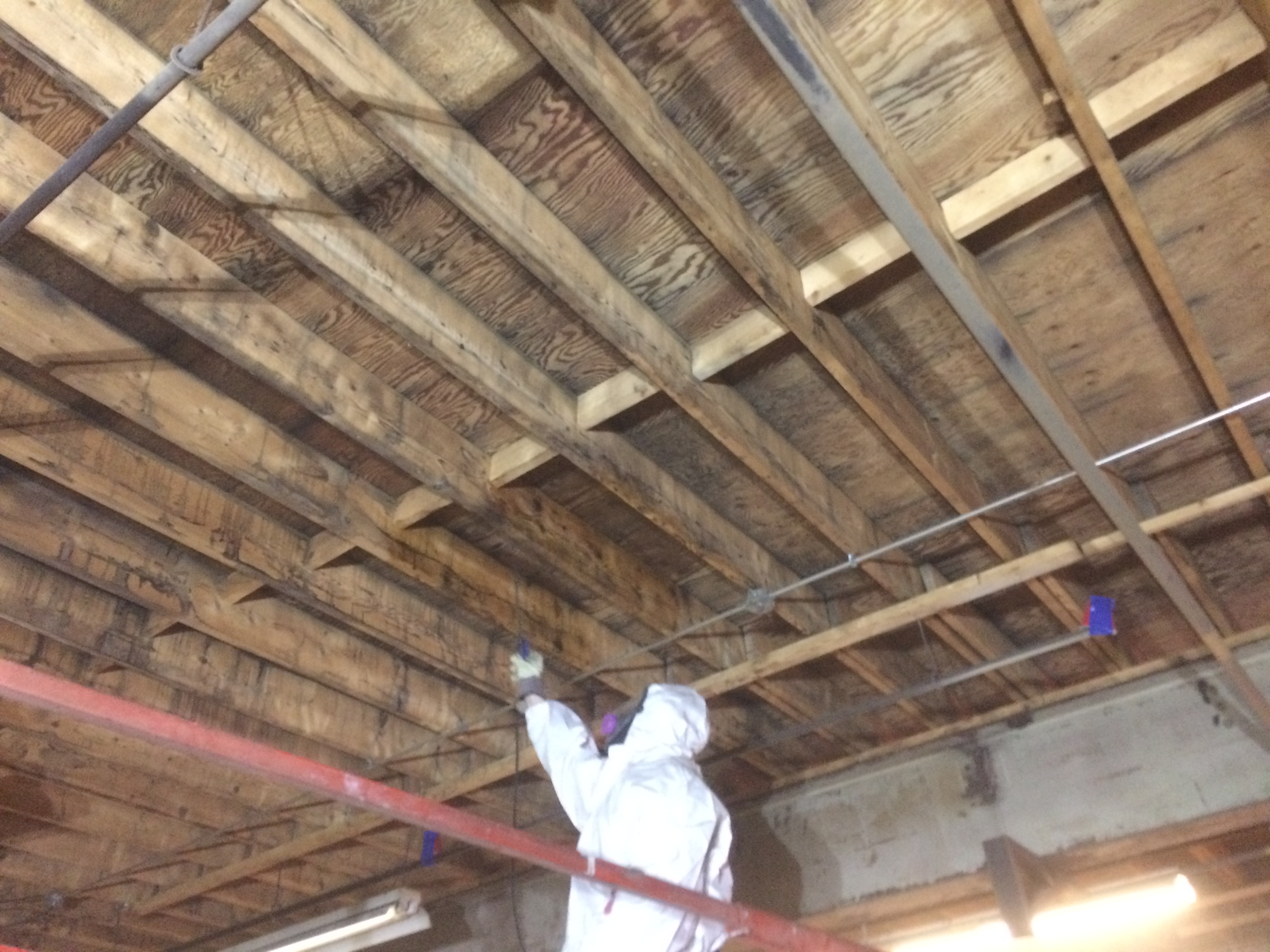
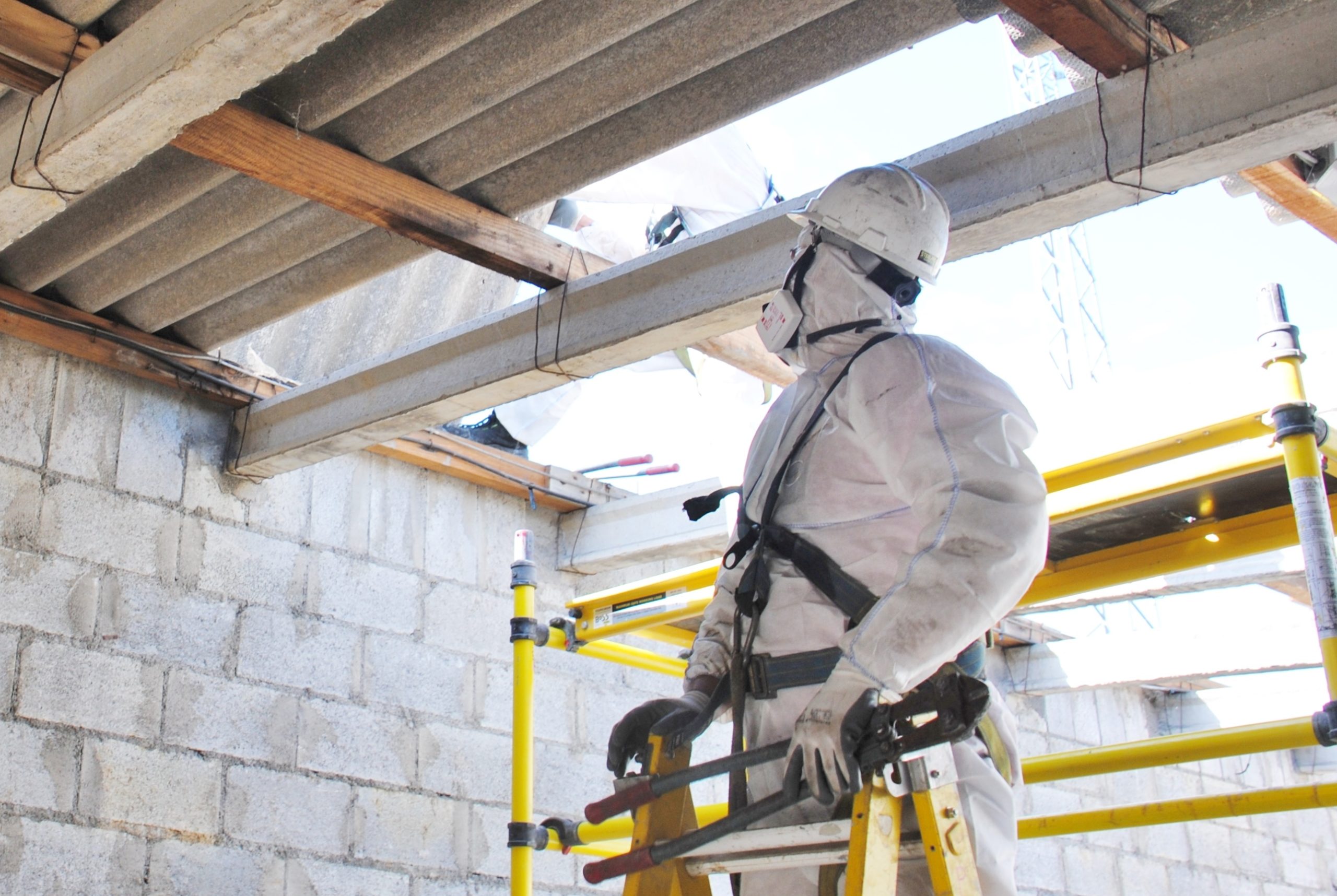

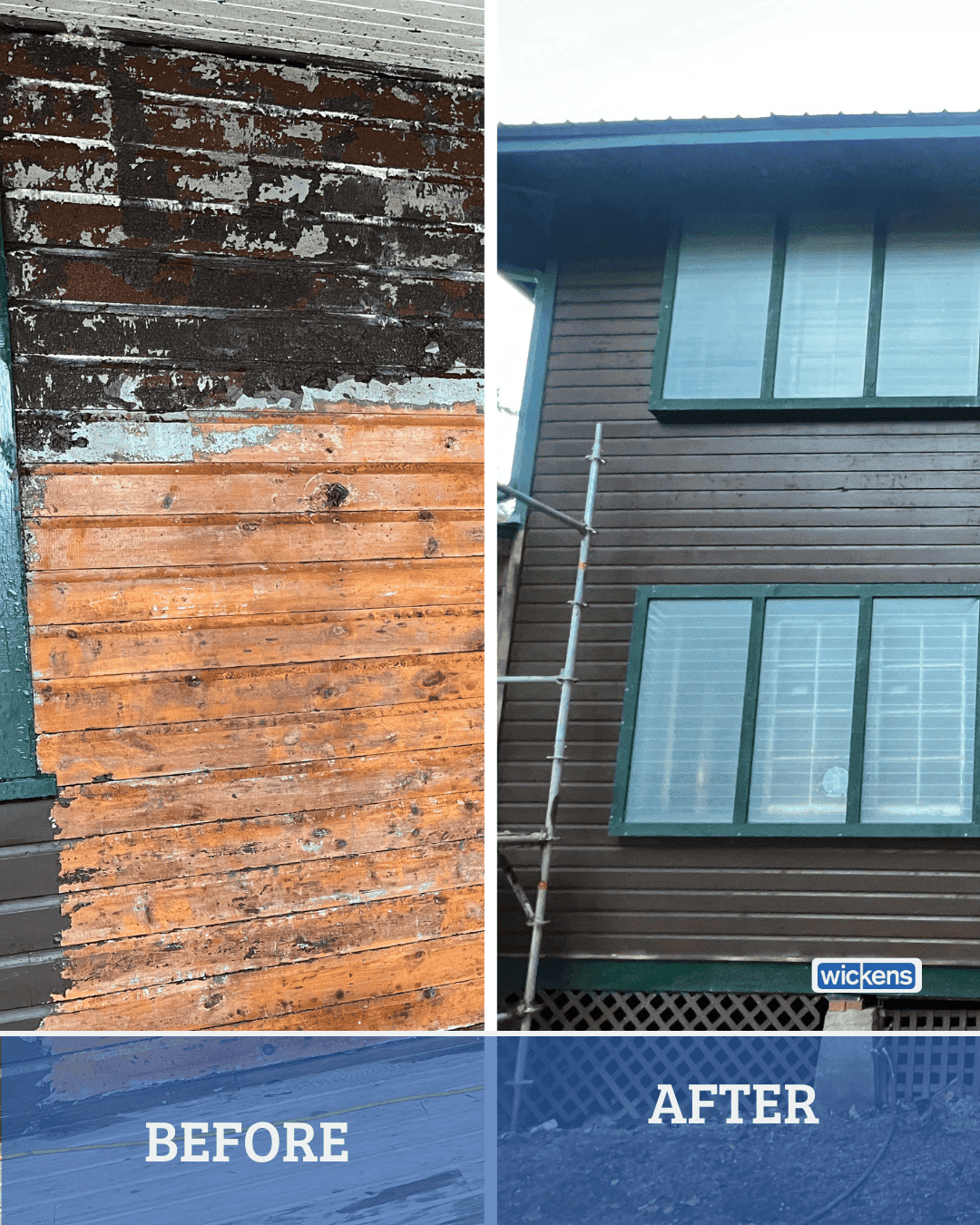
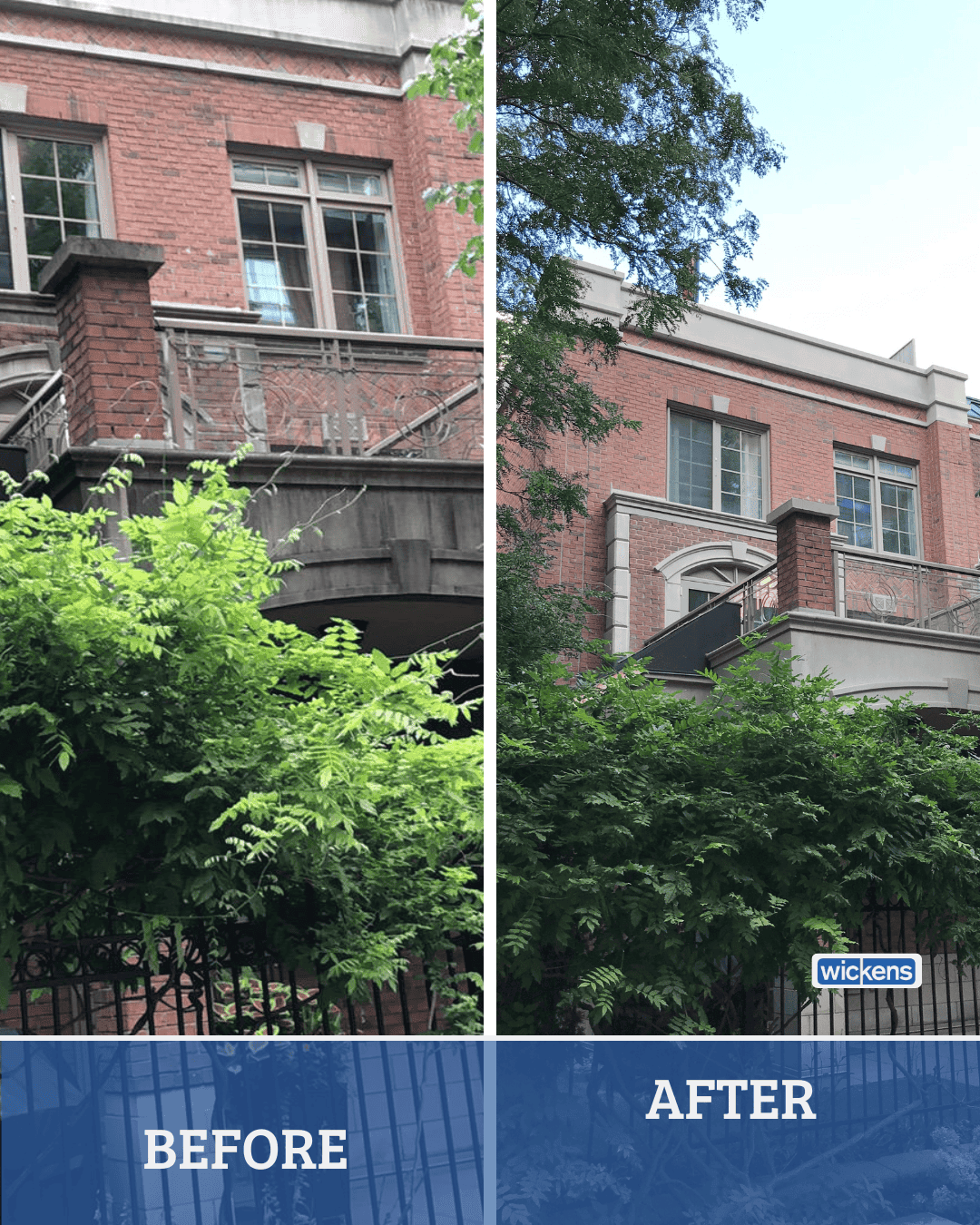
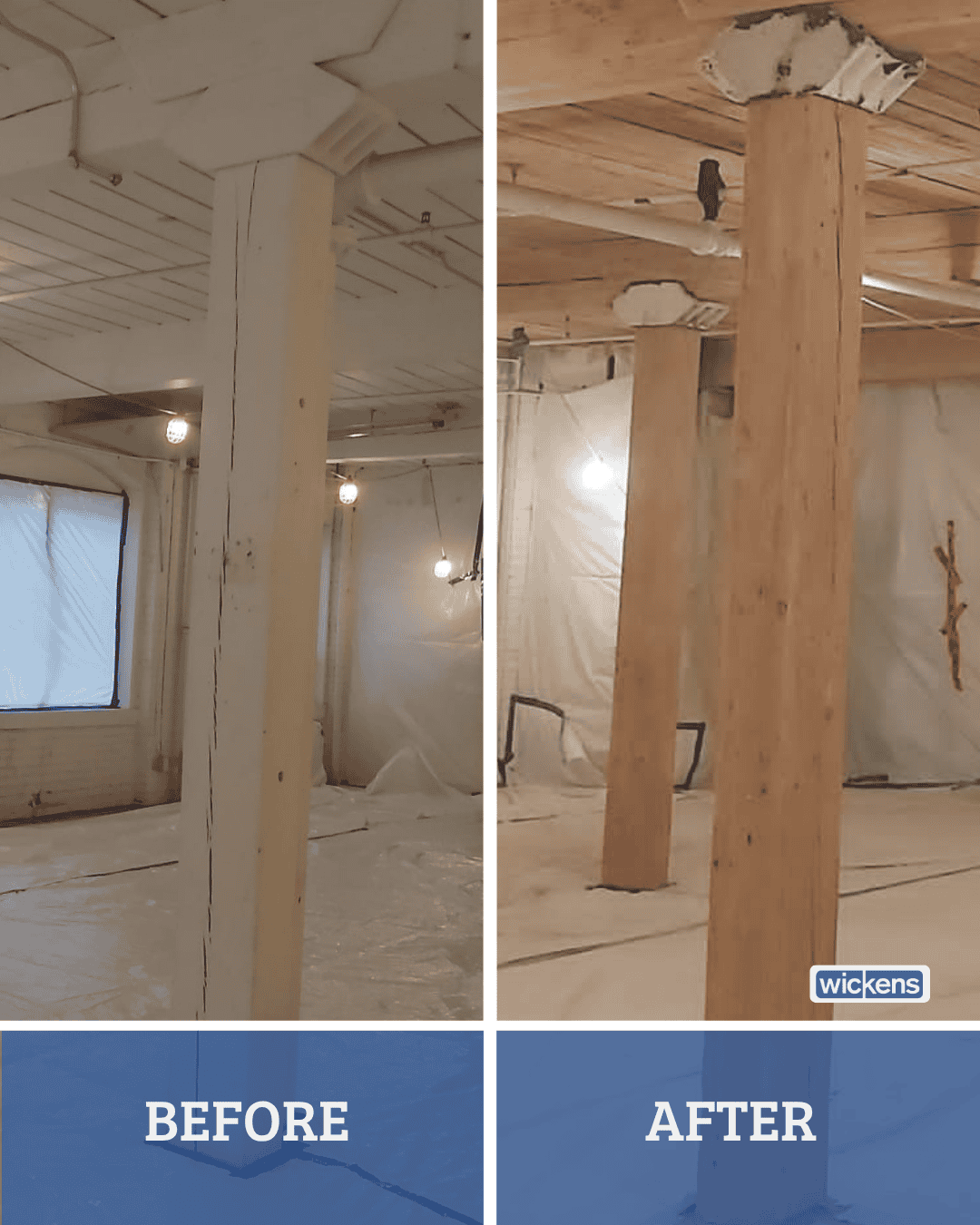
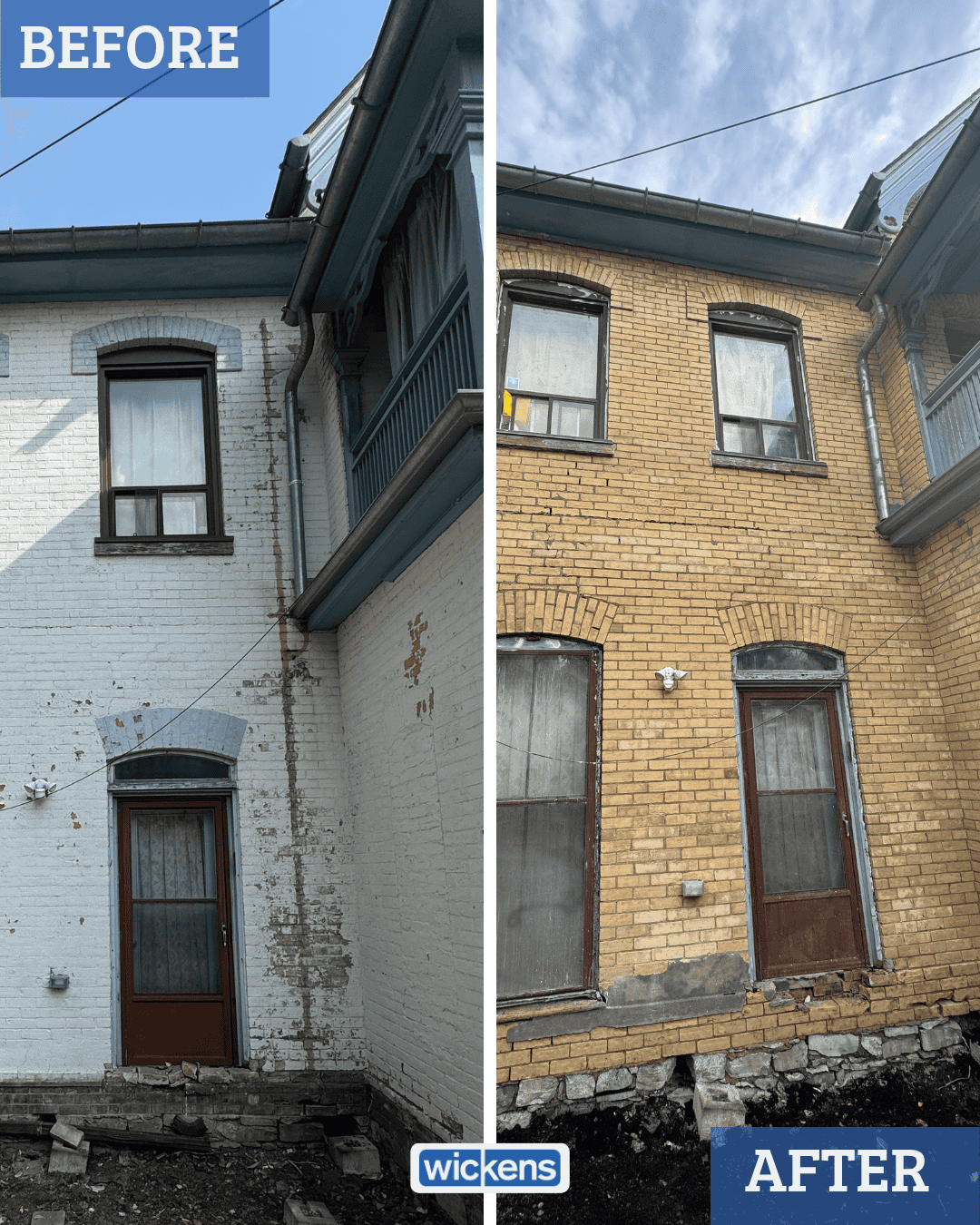
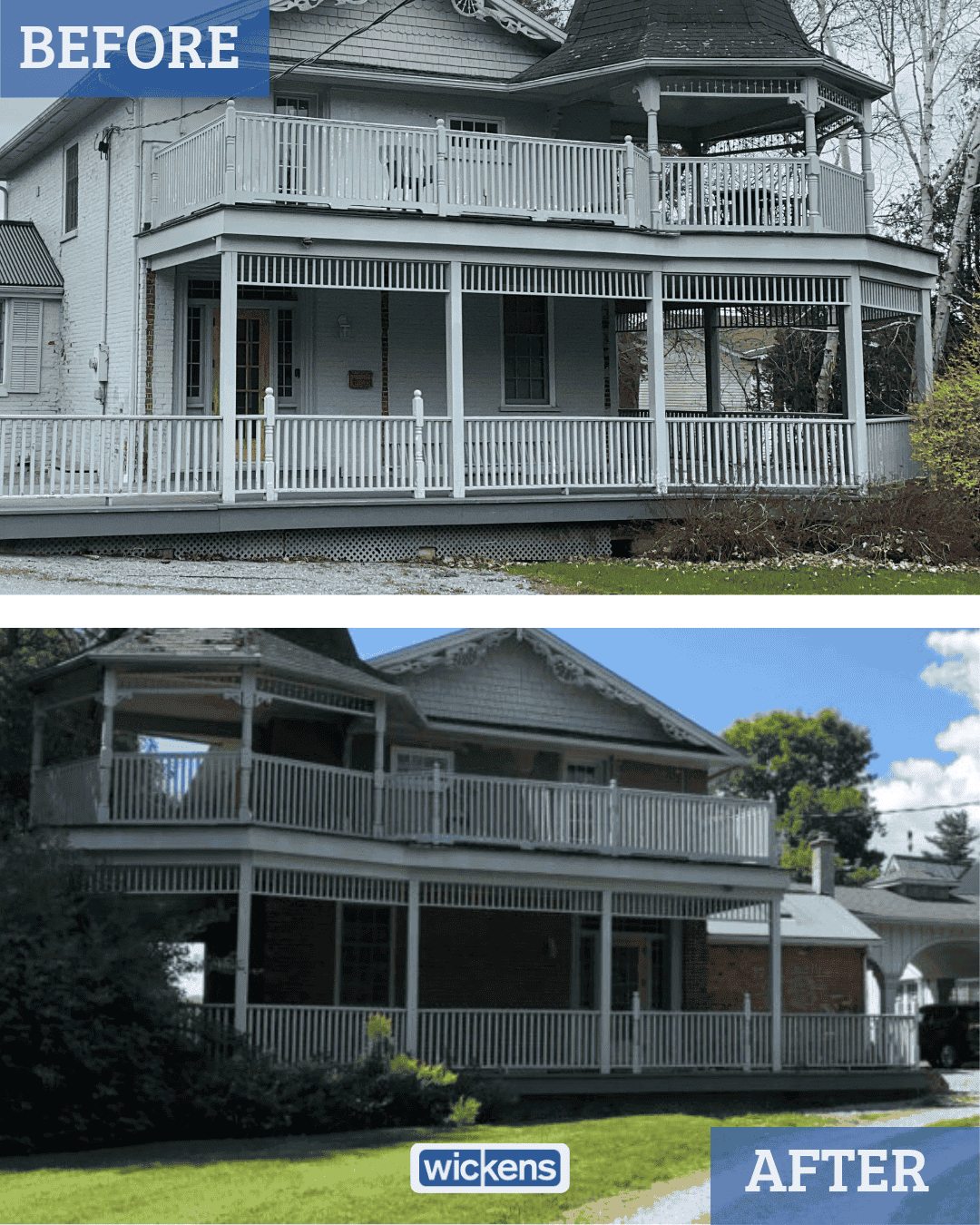
Before & After
Check out these before and after photos of Historical Restoration projects completed by Wickens Dry Ice Blasting.
Who We Serve


Our Certifications




All Wickens field technicians complete mandatory safety upkeep and ongoing training refreshers. Our team holds active qualifications for specialized historical restoration; contact us to learn more.
Why Choose Wickens?
Site leads and property managers rely on Wickens when a heritage project requires zero substrate damage. Our field crews treat every historic structure with clear technical judgment, focusing on safety of both the surfaces and the team, and clear communication throughout the job.

Custom Techniques
Historic buildings are never restricted to a single machine or forced to compromise on a site. Wickens creates a unique solution for each property, choosing from multiple blasting media and low-pressure systems to match specific surface conditions.

Specialized Insurance Coverage
Delicate heritage work requires comprehensive risk management. Wickens carries specialized environmental and pollution liability insurance support that standard commercial policies do not provide, ensuring complete protection for hazardous scopes.

Detailed, Gentle Cleaning
The cleaning methods maintain safety whether a project requires gentle soot removal or high-precision paint stripping from soft brick. Wickens makes sure to remove stubborn contaminants from fragile historical surfaces safely, without causing any wear or damage.

Rapid Mobilization
Our crews move quickly to handle urgent structural preservation needs and unexpected restoration challenges. Wickens ensures time-sensitive projects begin without added delays.

Work on Live Sites
Our technicians are experts in building tight containment and managing airflow in public or occupied spaces. We ensure work happens safely around foot traffic or ongoing facility operations, preventing business interruption and avoiding a total shutdown.

One Stop Shop Solution
Wickens handles every step of the project, including the initial technical consultation, surface preparation, blasting, and detailed structural cleanup. Property managers work with a single source instead of coordinating multiple maintenance companies.
Case Studies
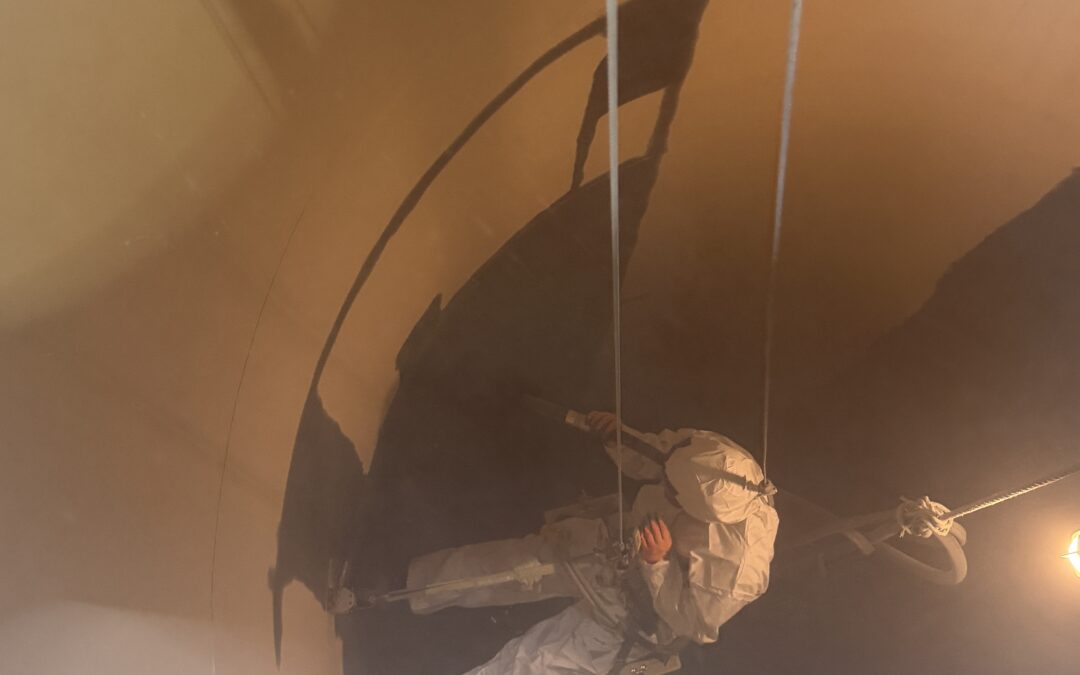
Hopper Cleaning and Specialized Rope Access Paint Stripping for Food Manufacturer
See how Wickens completed a high-risk hopper cleaning and paint removal project using specialized rope access to ensure zero plant downtime.
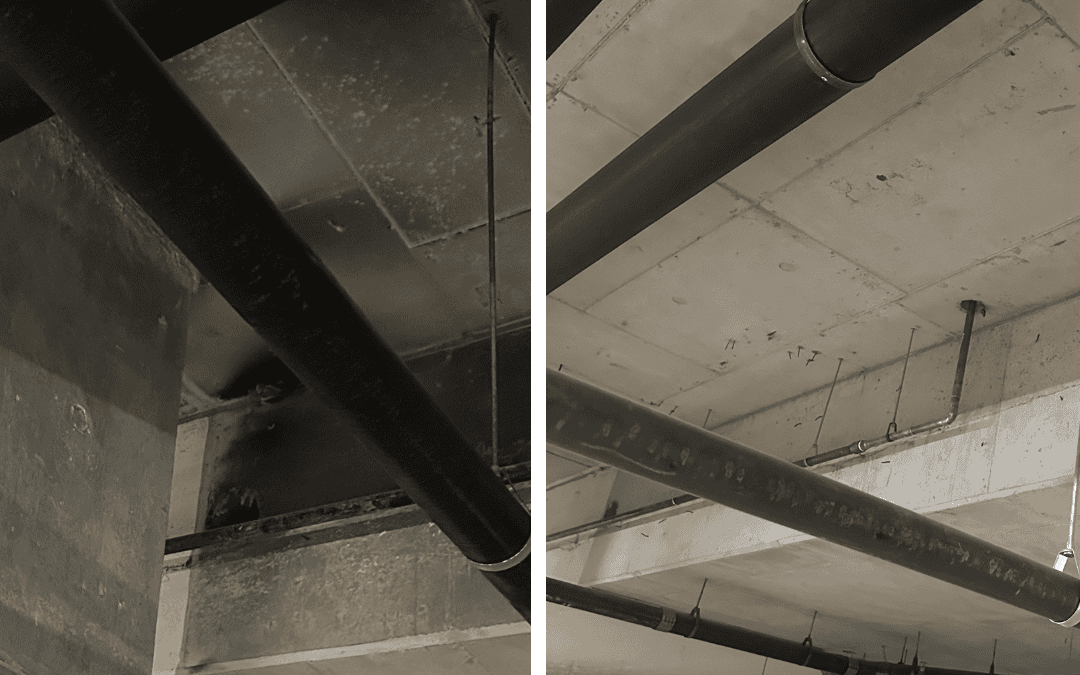
Case Study: Commercial Fire Damage Restoration Completed in Live Construction Environment
See how Wickens used dry ice blasting and surface remediation to restore a fire-damaged parking garage in three phases, completing the project ahead of schedule and supporting other contractors on-site.
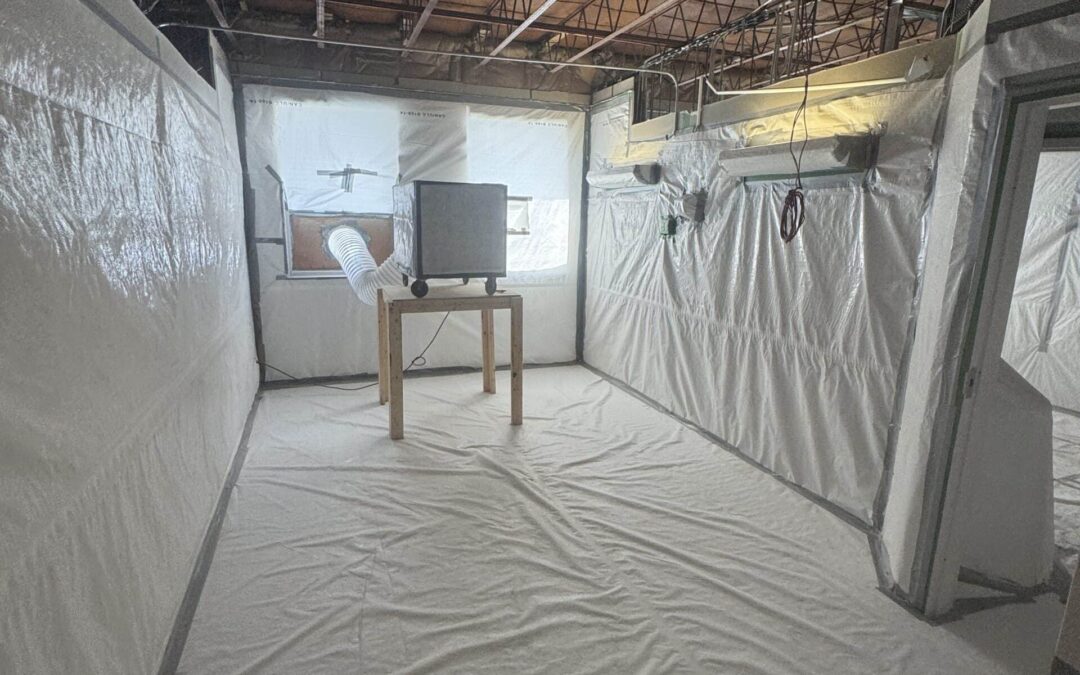
Hospital Asbestos Abatement Project Cuts Timeline in Half
Learn how Wickens completed a full-floor asbestos abatement in a live healthcare facility safely, on budget, and ahead of schedule.
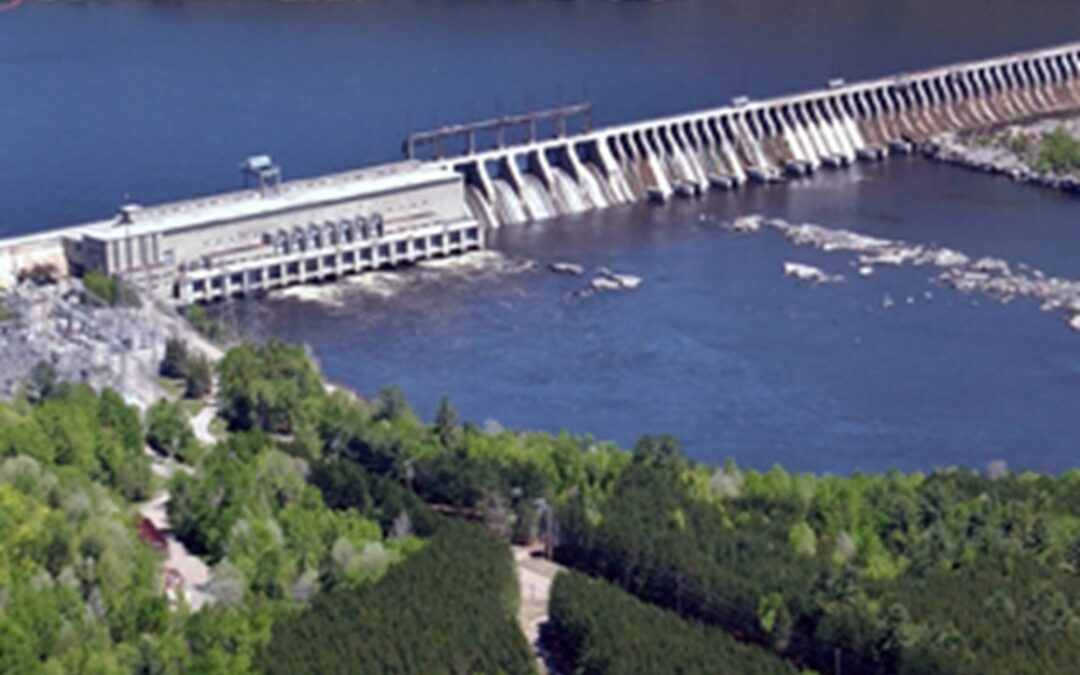
Case Study: Lead Abatement on 60-foot Sluice Gates
Over 30 years later, lead paint remediation work is still needed on older industrial, commercial, and residential properties where exposure poses a risk to occupants.

Case Study: Urgent Fire Restoration at a Food Processing Plant
Learn how Wickens used dry ice blasting and DOFF cleaning for a fire restoration project at a large food processing plant to meet strict hygiene standards.

Case Study: Safe Lead Paint Removal and Brick Restoration
Learn how Wickens Dry Ice Blasting used eco-friendly lead paint removal and vapour blasting for brick restoration.
Which cleaning method is best for historical restoration?
Choosing the right cleaning method depends on the surface being cleaned. At Wickens, we use several different methods, and create a custom solution for every project. Here are the four major cleaning methods we use for historical restoration cleaning:

DOFF Steam
Primary Substrate : Fragile stone and masonry
How it Cleans : Superheated water vapour up to 150°C
Best Used For : Removing moss, biological growth, algae, and wax coatings
JOS/TORC Vortex
Primary Substrate : Historic brick and soft stone
How it Cleans : Low-pressure water and fine abrasive swirl
Best Used For : Clearing deep atmospheric staining and carbon grime safely

Dry Ice Blasting
Primary Substrate : Old timbers, metals, and detail work
How it Cleans : Thermal shock and gas sublimation
Best Used For : Removing soot, mould, and lead paint with no secondary waste

Vapour Blasting
Primary Substrate : Historic ironwork and heavy coatings
How it Cleans : Pressurized water and media slurry
Best Used For : Stripping heavy layers with low airborne dust emissions
TRIED AND TESTED
From Our Clients
Your process using dry ice to blast clean our extruder worked extremely well. We saved on downtime allowing us to get up and running in a fraction of the time it normally takes after cleaning. Thanks to your crew; they did a great job!
My wife and I want to send our sincere thanks for the great service. We really enjoyed meeting you and we appreciate the fact that you made it happen as quickly as you did, especially with our renovation in progress. Your team was amazing and they did a superb job. David and his crew were fantastic. They were polite, courteous, and they left the house spotless. Class “A” all the way. I would recommend Wickens to anyone that we know. Thanks again for everything.
David and Philip did an amazing job with the last cleaning work. They accomplished a lot and it was very noticeable.
I just wanted you to know how impressed I was with the service and quality of work provided by Kevin. Kevin went above and beyond. He and his partner removed the asbestos, taking pictures of the completed work that I was able to share with our customer. I was so impressed by his courteous manner, his professionalism, and his quality of work.
Frequently Asked Questions About Historical Restoration Services
What are the best practices for restoring old architecture?
The best practices for restoring old architecture focus on testing surfaces first and using the gentlest cleaning method possible to protect the structure. Wickens avoids using harsh chemical washes and tools like heavy sandblasting grit, as those aggressive forces fracture century-old brickwork, blow out original lime mortar joints, and can rot historical wood framing.
A proper heritage restoration project relies on low-pressure systems to strip away soot and paint safely.
Field teams should follow a specific sequence to ensure a successful historical restoration project:
- Run a sample test on a small patch of the wall to see how the material reacts.
- Avoid any tools that use aggressive friction, grinding, or hard mechanical pressure.
- Match the cleaning medium directly to the age, hardness, and condition of the original substrate.
Stop water accumulation inside older structural timber elements to prevent long-term wood rot.
How do property owners find qualified contractors for historic building restoration?
- Third-party safety credentials
- Specialized environmental insurance
- Real field experience on local landmarks
Generic cleaning crews often lack the specialized machinery and technical judgment required to handle fragile heritage assets without causing permanent structural damage.
When looking for historic property renovation services, use the following checklist to vet historic building restoration companies:
| Vetting Requirement | Why It Matters for Heritage Sites |
| Are they Avetta, Comply Works, and ISNetworld approval? | Proves the field crew follows strict institutional safety and procurement rules on every shift. |
| What is their environmental pollution liability? | Protects the property owner if the job involves hazardous material abatement or toxic lead paint. |
| Do they perform substrate sample testing? | Shows the historical brick restoration company knows how to handle soft materials before full production starts. |
Reliable historic property renovation experts will always offer a physical on-site assessment and a sample test before they bring heavy gear to the property.
What are the common challenges faced during heritage restorations?
The common challenges faced during heritage restorations include stopping surface wear on weak materials, safe removal and containment of lead paint, and working inside tight public locations.
Older structures often have brittle lime mortar joints and soft brick faces that crumble if a contractor applies basic industrial cleaning pressures.A qualified historical building restoration company solves these issues by changing how they tackle the buildup:
- Controlling hazardous dust.At Wickens, we use dustless vapour blasting and negative air setups to trap lead particles instantly before they spread into nearby public walkways.
- Eliminating liquid runoff.Our technicians often use dry ice pellets that turn into gas on impact, so cleanup stays completely dry and leaves no secondary waste behind.
- Preserving soft masonry. A good historical brick restoration company swaps out harsh blasting grit for superheated steam or swirling vortex systems to wash away deep carbon layers without scoring the face of the brick.