How to Avoid Costly Mistakes in Industrial Equipment Cleaning

How to Avoid Costly Mistakes in Industrial Equipment Cleaning
How to Avoid Costly Mistakes in Industrial Equipment Cleaning

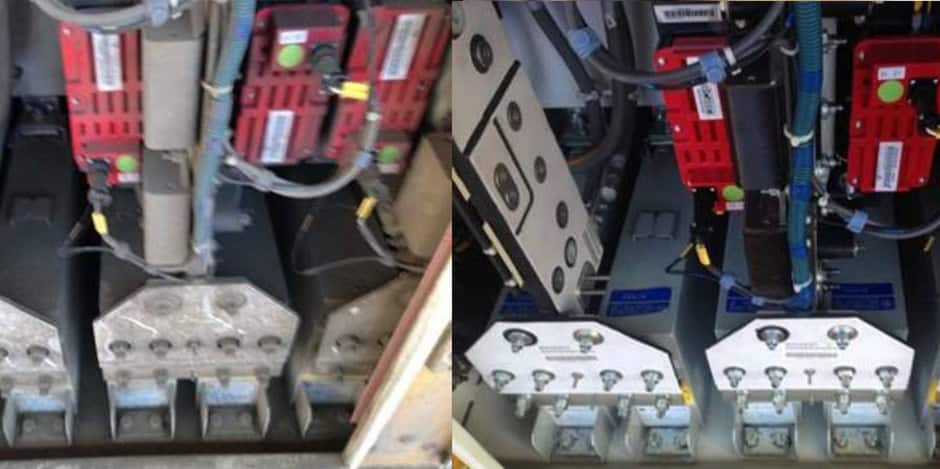
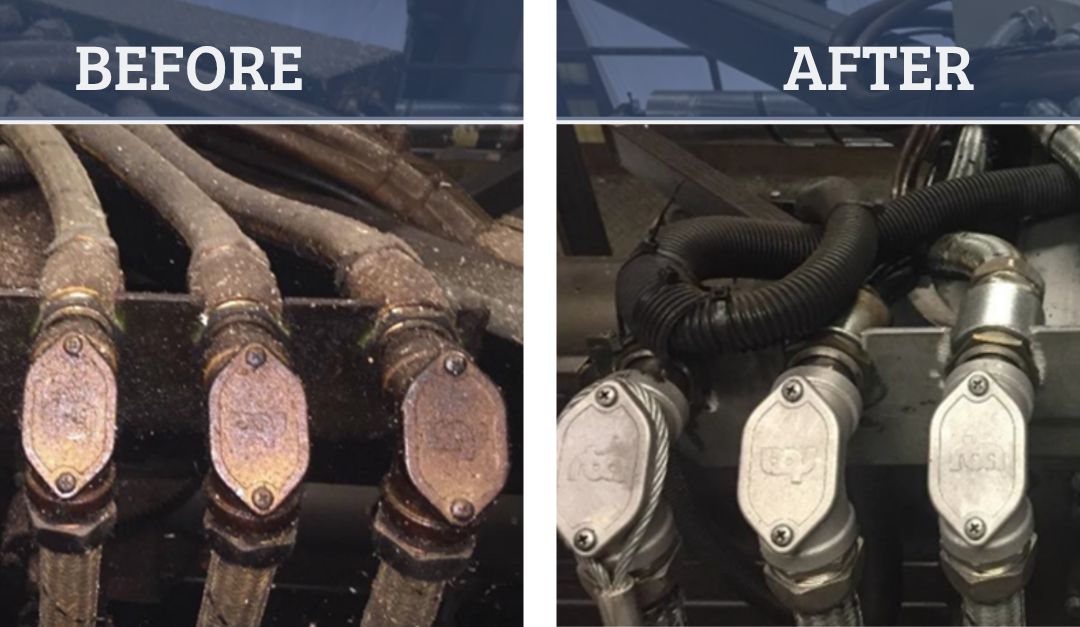
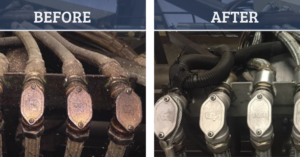
Before and after of industrial equipment cleaning with dry ice blasting.

Dirty equipment is an easy problem to see, but getting it cleaned is easier said than done. You know it’s time to get your equipment cleaned, but there’s hesitation: the wrong cleaning method could cost you.

Water in a control panel, a scorched motor housing, a warped gasket that turns a routine clean into a repair bill nobody signed off on- those can be more expensive than the contamination itself.

That’s the real risk with industrial equipment cleaning. Standard methods like pressure washing, solvents, and wire brushing weren’t built for sensitive machinery. They work fine on a concrete floor; on a VFD or a switchgear panel, however, they can do significant damage.

Industrial equipment cleaning is the process of removing grease, soot, grime, or other contamination from machinery without damaging what’s underneath it. Get the method right, and you protect the equipment. Get it wrong, and you’re paying for the mistake twice.

Here’s what you need to know before you clean sensitive equipment or call someone in to do it.

What You’ll Learn

  • Which cleaning methods are safe for sensitive equipment like VFDs, electric motors, cable trays, and control panels
  • How to spot a method that’s going to do more harm than good before you use it
  • What happens during a proper equipment cleaning or restoration job
  • When cleaning can save you from a full equipment replacement after a fire or flood
  • How to schedule cleaning around a shutdown

Where does industrial equipment cleaning make the biggest difference?

If your equipment involves wiring, sensors, moving parts, or contamination in places you can’t easily reach, this is where non-destructive cleaning earns its keep.

Ideal Areas for Delicate Industrial Equipment Cleaning

  • Fire- or flood-damaged electrical panels, where water or corrosion is already a risk
  • Before and after of industrial equipment cleaning with dry ice blasting. you can’t afford
  • Smoke-damaged VFDs, switchgear, or PLCs, where soot and carbon buildup sit close enough to live components that the wrong method could mean a short circuit
  • Contaminated industrial machinery caked in oil, carbon, or adhesive residue that regular degreasers push around instead of removing
  • Delicate mechanical components or moving parts like exhaust fans that lose tolerance if they’re scraped, sanded, or scrubbed
  • Equipment tucked into confined or hard-to-reach spaces, where teardown isn’t practical and manual cleaning can’t reach

If any of that sounds like what’s sitting in your plant right now, the method chosen matters as much as getting it clean at all.

Why does non-destructive cleaning matter for sensitive equipment?

Non-destructive cleaning matters because the alternative isn’t just messier; it’s expensive.

Water and chemical cleaning methods leave residue, trigger corrosion, or introduce moisture exactly where you don’t want it: inside wiring, windings, and sensors. Non-destructive methods skip all of that.

  • No water, solvents, or residue left behind
  • No risk to wiring, windings, or sensors
  • No need to disassemble large or static equipment
  • Safe for use near electrical components, with the right precautions
  • Fewer shutdowns and less unplanned maintenance
  • Documentation that satisfies environmental and insurance requirements

If you’re comparing providers, this is where it pays to work with an established industrial cleaning company Ontario manufacturers already rely on. The method a crew defaults to tells you a lot about how much risk they’re willing to put on your equipment.

What happens during an equipment cleaning or restoration job?

Most of the hesitation around calling someone in comes down to not knowing what they’re going to do to your equipment. Here’s how it works at Wickens:

1. Assessment. In disaster situations, our team can arrive for assessment the same day. A technician will review the equipment, contamination, and risk factors, then provide you a rundown of what to expect for the job.

2. Containment and prep. Once our team is on site, the work area gets isolated, PPE goes on, and if the equipment is still connected or partially live, that gets accounted for before anything is cleaned.

3. Custom cleaning. The method gets matched to the equipment and the contamination, not the other way around. That might mean one approach on a control panel and a different one on a mechanical component down the line if needed.

4. Documentation and handoff. Photo records, reporting, and a summary of what was done. If insurance is involved, this is the paperwork that supports a restore decision instead of a replacement one.

What cleaning methods are ideal for cleaning sensitive equipment?

Not every method belongs on every piece of equipment. Here are the best methods for cleaning sensitive equipment and why they work.

Dry ice blasting. Dry ice pellets hit the surface, lift the contaminant, and sublimate on contact, so nothing but the mess you’re removing leaves the equipment. This is the default method for cleaning anything with wiring, sensors, or components that can’t tolerate moisture.

Soda blasting. A lightly abrasive option for surfaces that can take some contact and don’t need the precision dry ice offers. Soda blasting is better suited to structural components and painted surfaces than anything with electronics.

Vacuum extraction. Runs alongside blasting to capture debris at the source instead of letting it spread to equipment nearby.

Containment and PPE. In an active facility, containment barriers and site-specific safety practices keep the work isolated from whatever else is running that day.

How the options compare

Method Contact with surface Moisture or residue Typical downtime Risk to electronics Best for
Dry ice blasting None, non-abrasive None, sublimates on contact Minimal, often done in place Low, safe near live components with the right precautions Panels, motors, VFDs, turbines, electronic cleaning, conveyors, paint booths and overhead chain conveyors, steel decking and trusses, printing equipment, and more
Soda blasting Light abrasive contact Some residue, needs cleanup Low to moderate Moderate, better for non-sensitive surfaces Structural, anilox rollers, and painted surfaces
Hand cleaning Direct contact Often needs chemicals or solvents High, labour-intensive Varies with the chemicals used Small components, light contamination
Full disassembly and cleaning Complete component removal Varies by method Highest, can take days Reassembly introduces its own risk Deep contamination, full overhauls

What kind of equipment can be cleaned using delicate industrial cleaning methods?

Electrical and control equipment

Switchgear, electrical panels, VFDs, and PLCs are the equipment most people are nervous about cleaning, and for good reason. Soot, dust, and carbon tracking sitting on live components can cause arcing or a short if the wrong method is used. These are also where non-destructive methods matter most, since there’s no room for moisture or abrasive contact anywhere near live wiring.
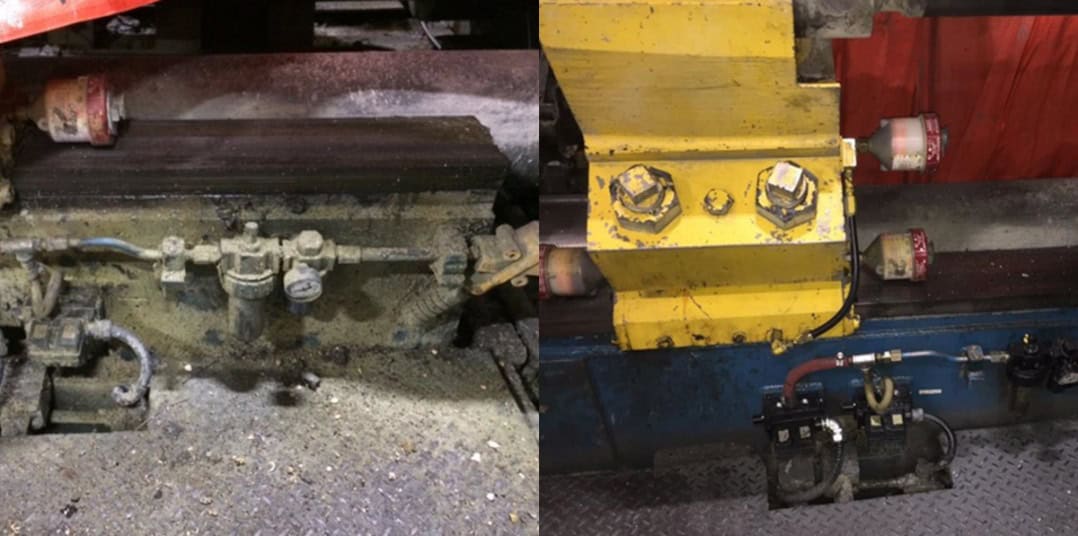
Before and after of industrial equipment cleaning with dry ice blasting.

Mechanical equipment

Motors, pumps, compressors, turbines, and fan housings or fin fans build up grease, carbon, and particulate over time, and that buildup is one of the more common causes of bearing wear and overheating. Cleaning them without disassembly keeps them in service instead of sitting in pieces on a shop floor for a week while parts get pulled and reinstalled.

Food-grade and specialty equipment

Conveyors, food processing lines, commercial oven cleaning, and HVAC systems or ductwork all have a lower tolerance for chemical residue, since anything left behind becomes a contamination problem of its own. In food processing especially, a cleaning method that solves one problem and creates another isn’t a solution. Non-destructive cleaning avoids that trade-off entirely.

If your equipment doesn’t fit neatly into one of these categories, that’s fine. The method matters more than the category it’s filed under.

What should you do when equipment gets hit by fire, flood, or contamination?

Disaster timelines don’t leave much room for figuring things out as you go, and the equipment involved is usually the most expensive part of the loss.

  • Fire and smoke damage. Soot and carbon settle into components fast, and the longer it sits, the more of a problem it becomes.
  • Flood or water exposure. Corrosion starts working immediately. Every hour of delay is equipment you might not be able to recover.
  • Chemical, grease, or oil contamination. Whether it’s a spill or a slow buildup, the wrong cleanup method can drive contaminants deeper instead of out and away.
  • Particulate buildup during an extended shutdown. Equipment that sits idle collects dust and debris that becomes a bigger job the longer it’s left alone.

In all four situations, the same question comes up: is this equipment worth saving, or are you looking at a replacement? That’s not always obvious from a walkthrough, which is why a fast, honest assessment matters more than a quick estimate.

Need equipment looked at today? Get an equipment assessment and find out what’s salvageable before you commit to replacement.

How do you avoid being in a disaster scenario in the first place?

Not all equipment damage comes from a single bad event. In high-dust or heavy-industrial environments, particulate buildup on motors and bearings is one of the most common causes of unplanned failure, and it happens slowly enough that most people don’t notice until something breaks. Both can be cleaned easily with dry ice.

A scheduled cleaning program catches buildup before it turns into downtime. Instead of reacting to a failure, you’re working from a plan:

  • Cleaning gets scheduled around your production calendar, not squeezed in during a crisis
  • Bearings and motors run longer with less particulate working against them
  • Shutdown windows are a natural time to get equipment cleaned while the line is already down

If your plant already has a shutdown scheduled, this is the kind of work that fits into it without adding extra downtime you didn’t plan for.

Planning a shutdown this season? Book your preventative maintenance window now and get equipment cleaned while the line is already down.

Frequently asked questions about industrial equipment cleaning

Do I need to disassemble equipment before it can be cleaned?

Usually not. Most industrial equipment, including motors and turbines, can be cleaned in place, avoiding the labour and reassembly risk that comes with a full teardown.

Will professional cleaning affect my equipment warranty?

No. Non-abrasive, chemical-free cleaning is typically the method manufacturers and insurers prefer, since it avoids the surface damage associated with more aggressive methods.

Can equipment cleaning help avoid a full replacement after a fire or flood?

In many cases, yes. Non-destructive cleaning combined with documentation can support a restore-rather-than-replace decision, which insurers and adjusters often prefer.

What’s the difference between equipment cleaning and full equipment restoration?

Cleaning removes surface contamination, like soot, grease, or particulate buildup. Restoration goes further. It means assessing whether the equipment is still safe and functional, cleaning it, and documenting the process so it can go back into service or support an insurance claim. Most work on sensitive machinery falls into the restoration category rather than a simple wipe-down.

Can sensitive components like VFDs, control panels, and switchgear be cleaned in place without removing them?

In most cases, yes. Non-abrasive methods reach into housings and enclosures without water or abrasive contact, so components can stay mounted and wired while they’re cleaned. Full removal is really only needed for the most severely contaminated units or where a component has to be inspected internally regardless.

What happens if contamination has been sitting since a shutdown or disaster?

Time matters, especially with soot, moisture, or corrosive residue, which keeps working on equipment the longer it’s left untreated. That’s part of why a same-day assessment matters. It gives a clear picture of what’s still salvageable before delayed contamination turns a cleaning job into a replacement.

Can equipment cleaning be scheduled around a planned shutdown?

Yes. Preventative cleaning is often scheduled during shutdown windows, including November and December, so equipment gets cleaned while the line is already down.

How long does an equipment cleaning or restoration project usually take?

It depends on the scope and the equipment involved, but many jobs are completed in a single day since components can often be cleaned in place. A time estimate is part of the same-day assessment.

Will your team coordinate directly with our insurance adjuster?

Yes. Wickens has experience working alongside adjusters and insurers, providing the documentation and reporting they need to support a restoration decision.

Let’s get your equipment back online

Dirty equipment is a problem you can see. Equipment cleaned with the wrong method is a problem you find out about later, usually at the worst time.

If you’ve got sensitive equipment that needs cleaning or restoring, Wickens will assess the job, walk your team through exactly what’s going to happen, and get your machinery back online – clean, compliant, and fully functional.

Get an equipment assessment or book your preventative maintenance window and stop guessing about what’s safe to clean.
Choosing the Best Dry Ice Blasting Machine for Heavy-Duty Jobs

Choosing the Best Dry Ice Blasting Machine for Heavy-Duty Jobs

Blog

Choosing the Best Dry Ice Blasting Machine for Heavy-Duty Jobs

Most people think the highest PSI means the best performance. That’s exactly how they end up with machines that underperform, clog, or break down when they’re needed most.

For contractors, manufacturers, and resellers, selecting the wrong dry ice blasting machine can cause serious setbacks: missed project deadlines, equipment returns, and mounting maintenance costs. Many units are engineered for controlled environments, not for the rough conditions found on active job sites or factory floors.

This guide breaks down what really matters when choosing a machine for high-demand applications. You’ll learn how to evaluate specs in context, avoid common pitfalls, and find a solution that delivers consistent performance and ROI, on day one and over the long term.

What You’ll Learn

  • How to evaluate key specifications like PSI, CFM, hopper size, and feed rate based on your job type
  • The differences between contractor, factory, and reseller uses for dry ice blasting equipment
  • What to avoid when purchasing a dry ice blaster, including common pitfalls that reduce ROI
  • Why build quality, maintenance access, and power compatibility are essential for industrial performance
  • How the Viking Series meets the demands of rugged work environments

Why does equipment fit matter in heavy-duty environments?

Not every dry ice blasting cleaning machine is built for the realities you face.

You might’ve worked with equipment that clogged halfway through a shift, didn’t deliver the pressure you expected, or stalled your team with constant failures. For contractors, that leads to delays, rework, and frustrated clients. For industrial teams, it means production schedules fall apart. For resellers, a poor match turns into a returned unit, more service calls, and damage to your reputation.

The root of these problems is usually the same: the equipment was never meant for the environment.

Machines designed for clean, controlled settings often break down when exposed to the grit, pace, and unpredictability of real field conditions. Weak frames fail under transport, undersized air systems choke performance, and overly complicated design slows down progress. When uptime and reliability matter, there’s no tolerance for tools that can’t keep up.

Contractors need blasting machines that move quickly and hold up on-site. Factory and plant operators depend on equipment that runs consistently with minimal intervention. Resellers need to offer solutions that are easy to support and trusted by their buyers. A mismatch between machine and use case puts pressure directly on your team, your schedule, and your bottom line.

What dry ice blaster specifications should I evaluate before choosing one?

Before purchasing a dry ice blaster machine, it’s essential to look beyond what’s written in the brochure. The specs that matter most will vary depending on the application, but the following categories are critical for anyone operating in heavy-duty or continuous-use environments.

Blasting Pressure (PSI)

Higher pressure doesn’t always equal better results. Instead of chasing maximum PSI, match the machine’s output to the type of surface and contaminant. Fire restoration on wood, for example, requires precision and restraint. Paint stripping from steel components demands a high impact force. Machines that offer adjustable pressure controls provide better versatility across job types.

Air Volume (CFM)

CFM determines the speed and consistency of your cleaning. A high PSI machine is ineffective without sufficient airflow. Ensure that the equipment pairs well with an air preparation system capable of delivering the required CFM without pressure drops. Undersized air delivery is a common bottleneck in field performance.

Learn more about air preparation systems for dry ice blasting to see how you can adapt air flow to your needs.

Feed Rate

The feed rate controls how aggressively the machine delivers ice particles to the surface. Higher feed rates are ideal for demanding tasks like carbon buildup removal or graffiti stripping. Machines that allow variable feed rates give operators better control over cleaning intensity.

Nozzle Adjustability

Different surfaces and contaminants require different nozzle shapes and angles. Interchangeable tips let operators switch between precision cleaning in tight corners and wide-path blasting on flat surfaces. Nozzle flexibility is critical for reducing blast time and preventing damage to sensitive areas.

Maintenance and Serviceability

Maintenance is not optional in continuous-use environments.

It’s critical that you choose machines with a solid design that isn’t overly complicated. Remote controls and LED displays look and sound great at first glance, until they start to fail in the extreme conditions that dry ice blasting machines face. Simple machines designed for drastic temperature changes (ambient to -79°C) will result in reliability that is unsurpassed in the industry. It also happens to require minimal daily upkeep.

Keep in mind to also consider equipment available locally, and with replacement parts readily available. A machine that cannot be serviced on-site or locally becomes a liability when something goes wrong.

Viking equipment, for example, is designed and manufactured in Canada, with replacement parts available as needed.

Power Compatibility

Power supply mismatch is a hidden cost many buyers overlook. The machine you choose must work with your site’s electrical or pneumatic infrastructure without modification. If you need to purchase additional power converters or air prep systems, those costs need to be factored into the total equipment investment.

How do I choose the best dry ice blasting machine for my application?

Not every job needs the same blasting setup. The right machine depends on where you work, how often you use it, and what you need it to do. Whether you’re stripping paint in the field, cleaning machinery in a food plant, or supplying equipment to customers, matching the machine to the environment is what ensures reliable performance and long-term value.

Here’s a breakdown of which Viking solution fits best and why.

Product Best Fit For Use Case Strength Why It Works
Viking 4000 Contractors, Industrial Manufacturers, Factories, Resellers All-purpose, high-performance blasting Built for flexibility. Handles aggressive cleaning, long runtimes, and various job conditions. Large hopper, adjustable feed, durable build, and compatible with standard systems. Ideal when you need one machine to do it all.
Viking Mini Contractors, Equipment Resellers Portable Compact, easy to transport and operate. Perfect for intricate work in tight environments.
Contractor’s Package Contractors Turnkey site solution Includes the Viking 4000, an APU 450, accessories, hoses, nozzles, and components optimized for mobile work. Speeds up setup, simplifies training, and supports crews in variable conditions.
Factory & Manufacturer’s Package Industrial Manufacturers, Factories Integrated plant solution Built around the Viking 4000 with components tailored to continuous-use environments. Compatible with upstream air systems, serviceable design, and uptime-focused configuration.

What Sets Viking Dry Ice Blasting Machines Apart

When you’re investing in equipment for demanding environments, the details matter. Here’s what makes the Viking Series a reliable choice for professionals who can’t afford downtime.

Built for Real-World Conditions

The Viking Series was engineered for environments where performance is non-negotiable: construction sites, factory floors, processing plants, and restoration zones where conditions change quickly and failure costs real money.

The Viking Series was designed to meet the exact challenges that contractors and plant managers face every day. These machines are framed in heavy-gauge steel and reinforced to withstand knocks, transport, and long hours of operation in rough terrain.

From the ground up, everything about their build reflects durability: corrosion-resistant finishes, industrial-grade wheels, and components selected to handle repeated exposure to moisture, dust, and debris.

Engineered for Operator Efficiency

Durability alone doesn’t solve productivity problems, however. That’s why the Viking Series also prioritizes operational efficiency.

The Viking 4000 is equipped with a large-capacity hopper to reduce refill interruptions during long jobs. Feed rate and blast pressure controls are fully adjustable on all models, giving the operator precision when switching between delicate substrates and high-impact stripping tasks. Interchangeable nozzles expand that control further, allowing the same machine to handle tight corners one moment and broad surfaces the next.

Ready to Integrate into Your Workflow

Integration with existing infrastructure was also a design priority. These machines are built to pair seamlessly with standard industrial air prep systems and electrical setups found in facilities and job sites.

That compatibility reduces setup time and eliminates the hidden costs of buying add-ons to make your equipment work.

Support That Shows Up When You Need It

Equally important is what happens after the machine is on-site. Every Viking Series purchase includes access to Wickens’ support team. That means fast access to parts, technical guidance when issues arise, and real-time help when you need to keep a project moving.

Wickens also offers operator training, air preparation consultation, and optional maintenance plans; because the long-term performance of the machine depends just as much on proper use and upkeep as it does on specs.

A Smart Move for Resellers and Rental Programs

For resellers, Viking machines deliver real commercial value. These units hold up in the field, generate low callback rates, and carry a reputation for reliability that helps build trust with buyers.

They also maintain resale value thanks to their rugged construction and serviceability, making them ideal for rental fleets or resale programs.

Built from the Ground Up to Serve the Job

The Viking Series doesn’t just check boxes on a spec sheet. It reflects decades of experience working directly with professionals in disaster relief, industrial maintenance, and restoration. Every design decision supports the person using the machine and the job they need to finish without complications.

See the full dry ice blasters catalogue or request a demo to evaluate a Viking system in action.

Common Mistakes to Avoid When Buying Dry Ice Cleaning Machines

Even well-intentioned buyers can miss critical details during the evaluation process. These common mistakes often lead to performance issues, avoidable downtime, and poor ROI, especially in high-demand environments.

  • Spending on features you don’t need: Investing in capabilities that don’t match your work adds cost without improving results and ties up budget that could be used elsewhere.
  • Choosing a machine that can’t keep up: Undersized equipment, hopper capacity, or air volume slows crews down, causes delays, and forces workarounds that kill productivity.
  • Overlooking air preparation needs: Even the best blasting machine will underperform if the air system isn’t properly matched, leading to weak output and inconsistent results.
  • Skipping training your team: Without proper onboarding, crews risk damaging equipment, wasting time, or compromising safety.
  • Buying without a support plan: Machines will need servicing. If parts, guidance, or local help aren’t easily available, you’re stuck when it matters most.

Pre-Purchase Dry Ice Blasting Equipment Evaluation Checklist

Before finalizing your equipment purchase, ask these questions:

  • What are the PSI and CFM ranges?
  • Is the feed rate adjustable?
  • How large is the hopper?
  • Is the frame industrial-grade?
  • How easily can it be cleaned and serviced?
  • What contaminants or surfaces is it optimized for?
  • Is there a training program or operator manual?
  • What kind of post-sale support is offered?
  • Can I test the equipment through rental or demo?
  • What does after-sales parts pricing look like?

Final Thoughts

Choosing a dry ice blasting machine isn’t about checking boxes on a spec sheet. It’s about ensuring the equipment you bring in supports your work, your crew, and your business over time. Job fit matters. So does reliability, serviceability, and the ability to get support when you need it.

The Viking Series was developed for professionals who work in demanding environments. Every feature is designed and built in Canada with a clear function: to help you deliver consistent results without interruption.

Supporting the Way You Work

Wickens doesn’t just supply equipment. We help your team choose the right machine for your needs, train operators, and stay up and running with local support when it counts. We work directly with contractors, facilities, and resellers that need equipment that holds up under pressure.

Request a demo or explore the Viking Series to see how the right machine can support your business.

Roger White

Happy Holidays from the Wickens Team!

Happy Holidays from the Wickens Team!

Blog

Happy Holidays from the Wickens Team!

At Wickens, we spend the year solving complex cleaning challenges. But during the holidays, our focus shifts from blasting surfaces to building stronger connections with our clients, our communities, and the causes that matter most to us.

From restoration contractors to industrial clients, equipment rentals to package purchasers, we’ve had the privilege of working with some of the hardest-working people across Canada. Your trust in our team and our equipment is what drives us to deliver the best in cleaning solutions and equipment options year after year. Thank you for another successful year.

Holiday Hours

We’d like to inform our clients and partners that Wickens will be closed on December 25, 26, and January 1 to allow our team some time to enjoy the holidays with their families. We encourage all customers with upcoming service needs to reach out early so we can schedule your jobs around these dates.

Holiday Contributions

While our work is rooted in restoring structures and equipment, the holidays give us a chance to support something even more important: the people in our community.  We’re continuing our annual holiday tradition of giving back by donating to the Soup Kitchen, Salvation Army, and Mission Services of Hamilton this season.

Each of these organizations plays a vital role in addressing urgent needs by offering warm meals, safe shelter, and compassionate support to individuals and families facing hardship. The holidays can be difficult for many, and their work brings hope and relief to many across the region.

We look forward to continuing our work together in 2026, whether it’s responding quickly to disaster recovery needs like fire, asbestos, or flood damage with safe and effective cleaning solutions; providing preventive maintenance services that minimize downtime and help extend the life of your equipment; or supplying reliable, job-ready equipment to support your ongoing projects and operational goals.

From everyone at Wickens, happy holidays. Thank you for the trust, partnership, and purpose you bring to our work every day.

Roger White

5 Expert Tips for Dry Ice Blasting Equipment Rental and Purchase

5 Expert Tips for Dry Ice Blasting Equipment Rental and Purchase

Blog

5 Expert Tips for Dry Ice Blasting Equipment Rental and Purchase

Factories and manufacturers often hit a crossroads when deciding whether to rent dry ice blasting equipment or commit to a full system purchase.

It’s a high-impact decision; many operations teams understand that their crew can handle shutdown or routine cleaning internally, but choosing between renting or buying dry ice blasting equipment affects budget, uptime, and operational strategy.

Dry ice blasting is a non-abrasive, chemical-free cleaning method that uses CO₂ pellets and compressed air to remove contaminants, coatings, and residues. It’s the preferred cleaning method for manufacturing, food processing, packaging, and power generation because it cleans effectively without water or chemicals, leaves no secondary waste, and eliminates disassembly downtime.

If you’re comparing dry ice blaster rental options or exploring whether it’s the right time to buy dry ice blasting equipment, these tips will help you choose the right system and make a confident investment.

Verify Air Supply Before Renting or Buying

Dry ice blasters don’t operate in isolation; they require consistent compressed air, usually between 80-120 PSI.

A common issue new buyers face is discovering their in-house compressor doesn’t deliver enough pressure or volume to run equipment efficiently.

Without proper air support:

  • The machine may underperform
  • Productivity will drop due to interruptions or stalling

To avoid this, evaluate your compressed air capacity up front. If your infrastructure isn’t powerful enough, there are solutions beyond facility upgrades. Some vendors offer complete systems that include air preparation units (APUs) to regulate and supply the right pressure. When included in an equipment package, APUs eliminate the need for costly compressor retrofits and reduce variables during setup.

Planning at this stage prevents performance issues later and ensures your blasting system performs as intended from day one.

Prioritize Serviceability Over Dry Ice Blasting Equipment Prices

While dry ice blasting equipment prices are often the first thing procurement teams compare, the true cost includes maintenance, support, and downtime. In industrial environments, downtime is expensive. Machines that require specialized service, unique tools, or hard-to-source parts can cost more in lost productivity than they ever save in overall price.

Questions to ask before choosing equipment:

  • How often does this machine require servicing?
  • Can our internal maintenance team handle basic repairs?
  • Are replacement parts readily available?

Machines designed with easy access to internal components and standard replacement parts are faster to service and reduce downtime. If long-term maintenance isn’t feasible for your team—or if you’re only using the machine short term—renting dry ice blasting equipment may be the smarter route. A rental typically includes pre-serviced equipment, reducing the need for in-house troubleshooting or repair.

Choose a Dry Ice Blasting Machine That Can Handle Different Applications

Not all dry ice blasters are the same. Some are built for powerful removal tasks and don’t scale down as well for delicate surfaces. Others are compact, but lack the output needed for large-scale industrial cleaning.

If your facility has varied cleaning demands, versatility matters.

Look for machines with:

  • Adjustable pressure settings
  • Interchangeable nozzles
  • Hoses and accessories for varied geometry or tight access

Equipment that adapts to different surfaces and cleaning requirements reduces the need for multiple dry ice blasting machines. It also improves asset utilization and lowers the learning curve for operators who will only need to learn how to use one dry ice blaster.

For example, the Viking 4000 is designed to transition from aggressive cleaning to delicate surface prep without changing machines, making it ideal for manufacturing facilities with varied cleaning needs.

Confirm Availability, Delivery, and Training Before You Commit

It’s easy to compare pricing and features on paper, but support is what makes equipment valuable. Even high-performance dry ice blasters are liabilities if they’re not available on time, lack clear setup guidance, or leave your team guessing during your specific cleaning period.

Before choosing a supplier, ask:

  • Is the equipment in stock or built-to-order?
  • How quickly can it be delivered?
  • Is operator training included?
  • Who do I call when something doesn’t work?

This is critical for both purchases and rentals. When time is tight, like during shutdown periods, you can’t afford delays or unsupported equipment. Look for suppliers that offer delivery guarantees, training programs, and a direct line to technical support.

At Wickens, we offer a robust training program for all businesses that rent or purchase from us. Our team travels Canada-wide to provide education and insights, and we are proud to provide technical support 24/7 for keep operations running smoothly.

Evaluate ROI, Payback Period, and Equipment Lifecycle

Purchasing dry ice blasting equipment should always be considered as a long-term investment in operational efficiency. For most teams, success isn’t measured by the upfront cost, but by how quickly the equipment pays for itself in labour savings, reduced downtime, and cleaning results.

Before choosing equipment, be sure to ask:

  • How long will it take to recover the cost of the equipment through productivity gains?
  • Will it allow your team to bring outsourced cleaning in-house?
  • Can it be used across multiple departments, surfaces, or processes to increase utilization?

It’s also valuable to consider long-term service needs. Equipment that is easy to maintain and has a positive record in performance will reduce lifecycle cost and extend usability across your facility.

The right unit will improve cleaning speed, reduce manual labour, and integrate smoothly into your existing maintenance strategy, all while holding up over years of use.

Frequently Asked Questions

What is the best way to decide between renting and buying dry ice blasting equipment?

If you need the equipment frequently, or as part of a long-term maintenance plan, buying may offer better ROI. If you only need it occasionally or want to avoid maintenance responsibility, renting is often more cost-effective.

What air supply is required for a dry ice blaster?

Most machines need a consistent air supply between 80–120 PSI.

Can one dry ice blasting machine be used for different surfaces?

Yes, but only if it includes adjustable pressure controls and multiple nozzle options. Look for machines designed with versatility in mind to reduce the need for multiple units.

How much does dry ice blasting equipment cost?

Pricing varies depending on capacity, features, and service support. Consider not just purchase price, but also long-term service costs, consumables, and downtime risk.

Make Your Dry Ice Blasting Equipment Decision with Confidence

Whether you’re deciding to rent dry ice blasting equipment for a critical shutdown period or evaluating whether it’s the time to buy dry ice blasting machines for long-term maintenance, the smartest decision is informed by more than just cost.

Understanding infrastructure requirements, maintenance needs, equipment versatility, supplier support, and lifecycle value, you’ll be well positioned to select a system that pays off, both financially and technically.

Wickens supports teams in factories and manufacturing facilities across Canada with both short-term rental solutions and complete equipment packages. When you’re ready to explore a dry ice blasting solution tailored to suit your needs, we’re here to help.

Connect with our team to discuss your dry ice blasting needs, or request a quote to compare package options today.

Roger White

What You Need to Know Before Starting an Asbestos Abatement Project

What You Need to Know Before Starting an Asbestos Abatement Project

Blog

What You Need to Know Before Starting an Asbestos Abatement Project

When working with asbestos, there’s no room for shortcuts. The health risks are serious, the regulations are strict, and liability exposure can be costly. For restoration professionals and facility managers across Ontario, it’s not just about removing hazardous materials. It’s about doing it right, without shutting everything else down.

Why Asbestos Is Still a Present-Day Problem

Before the 1990s, asbestos was a common component in insulation, ceiling tiles, pipe wraps and other building materials. Today, many older structures across Ontario still contain the dangerous component. While safe when left alone, danger arises when these materials are disturbed, releasing fibres into the air.

Without proper asbestos containment, those fibres can linger in the environment, putting workers and building occupants at risk. As these fibres are microscopic and odourless, only trained professionals using approved techniques can properly identify and contain the threat.

According to the Canadian Centre for Occupational Health and Safety, exposure to asbestos can lead to chronic and life-threatening illnesses, including mesothelioma, lung cancer and asbestosis; all of which can take years to develop, but are irreversible once diagnosed.

The Risk of “Good Enough” Contractors

If your project involves demolition, fire restoration, or retrofitting older buildings, there’s a chance you’ll encounter asbestos; unfortunately, not all contractors are equipped to deal with it.

Certified asbestos remediation involves much more than PPE and a few warning signs. Ontario’s asbestos regulations require:

  • Full site assessment and risk classification
  • Engineered asbestos containment systems with negative air pressure
  • Specialized removal techniques to prevent fibre release
  • Hazardous waste handling and disposal
  • Independent third-party air clearance testing

We’ve seen projects where an unqualified team missed critical steps in the process — leading to rework, exposure, and unexpected delays. If you’re managing a fire-damaged high-rise or upgrading industrial infrastructure, those delays come at a real cost: project stalls, insurance issues, or worse, health concerns for your crew.

What Wickens Does Differently

At Wickens, we approach asbestos abatement with a dual focus: protecting people and protecting progress. We understand that in your world, timelines matter just as much as safety — and both are non-negotiable.

Our certified crews handle every step, including:

  • Risk assessment and regulatory coordination
  • Engineering controls and containment installation
  • Type 3 abatement procedures with certified workers (2253W) and supervisors (253S)
  • Removal and disposal compliant with Ontario Regulation 278/05
  • Post-remediation verification and documentation

Watch our team at work, preparing a site for asbestos removal:

More importantly, we coordinate with other trades on-site — whether that’s restoration teams, facility engineers, or project managers — to ensure our work doesn’t derail theirs.

In occupied buildings, sensitive industrial zones, or emergency fire recovery jobs, our team is trained to operate with minimal disruption and total discretion. Safety is never sacrificed, and neither is momentum.

Real Risk Requires Real Planning

The risk you face with asbestos mitigation isn’t just fibres, but mismanagement as well. Rushed or poorly scoped work can delay a project, create legal exposure, or jeopardize safety. That’s why every project we undertake begins with a plan built on clarity and control.

Our team starts with an on-site inspection to identify the type and condition of asbestos-containing materials.

From there, we develop a tailored work procedure based on the building’s structure, use, and occupancy. This includes designing engineered asbestos containment zones that effectively isolate the hazard without impacting surrounding operations or workflows.

Finally, we align our work schedule with yours — coordinating directly with general contractors, insurance adjusters, or facilities teams — so there are no surprises, no shutdowns, and no scope creep.

For industrial and commercial environments that can’t risk unnecessary downtime, our planning process isn’t just a precaution — it’s a strategic advantage.

Serving the Professionals – and Why That Matters

Wickens is trusted by professionals who manage complex, high-stakes projects — from post-fire remediation in high-rises to proactive maintenance in regulated industrial facilities. These aren’t jobs where you can afford delays or missteps, and that’s exactly why clients choose us.

Restoration contractors count on us to handle high-risk materials without slowing down the broader recovery effort. Facility managers bring us in because we understand the protocols and safety standards that govern live environments. And industrial clients — especially those in manufacturing or utilities — rely on us to contain risk without disrupting production.

In every case, we show up with more than just certified people and compliant processes. We show up with an understanding of how to work around your team, not in the way of it. Our job is to remove the hazard — not create new ones by disrupting your schedule, your budget, or your workflow.

A Safer Path Forward

Asbestos mitigation isn’t just a compliance issue. It’s a reputational one. A single misstep can halt a project, expose people to serious health risks, or trigger regulatory investigations. That’s why experience, communication, and precision matter as much as technical capability.

At Wickens, we don’t just remove asbestos. We remove the uncertainty that comes with it.

Need support on an asbestos-related project?

Whether you’re managing fire restoration, commercial retrofits, or industrial maintenance, we can help. Request a site assessment today and get a plan that keeps your people safe — and your project on track.

Roger White

Buying vs. Renting: How to Choose the Right Option for Dry Ice Blasting Equipment

Buying vs. Renting: How to Choose the Right Option for Dry Ice Blasting Equipment

Blog

Buying vs. Renting: How to Choose the Right Option for Dry Ice Blasting Equipment

If you’re looking into dry ice blasting equipment for your business, one of the first decisions you’ll face is whether to buy or rent. The right choice depends on how often you plan to use the equipment, what kind of jobs you’re tackling, and how much flexibility you need.
At Wickens, we offer both options. More importantly, we guide you through the process to help you choose the approach that fits your operation best. Whether you’re in restoration, manufacturing, or industrial maintenance, here’s what to consider.

When Renting Machines Makes Sense

Renting dry ice blasting equipment is often the most practical choice for businesses with short-term or project-specific needs. It allows you to access powerful, commercial-grade equipment without the upfront investment of ownership.

For businesses new to dry ice blasting, renting also provides the opportunity to evaluate equipment performance in real-world conditions. Wickens offers technician support and on-site training with every rental, helping teams operate confidently and effectively. This approach ensures you can complete the job without delays, while maintaining control over labour and timelines.

When Purchasing Dry Ice Equipment is the Better Investment

Ownership is typically the preferred option for organizations that perform dry ice blasting on a routine basis or across multiple sites. Investing in equipment provides scheduling flexibility and long-term cost efficiency, particularly for teams with consistent internal capacity.

Wickens manufactures Canadian-made equipment designed for industrial demands. Clients who purchase receive complete setup guidance and training to ensure maximum value from their investment. Purchasing also allows for greater customization based on application requirements, including nozzles, accessories, and system configurations.

Equipment Packages Tailored to Your Needs

We’ve built packages for contractors and factory operations based on the most common requirements we see across job sites and facilities. Whether you need a complete mobile setup or equipment designed for use with plant air, these ready-to-go packages simplify your decision-making process.

The Contractor’s Package

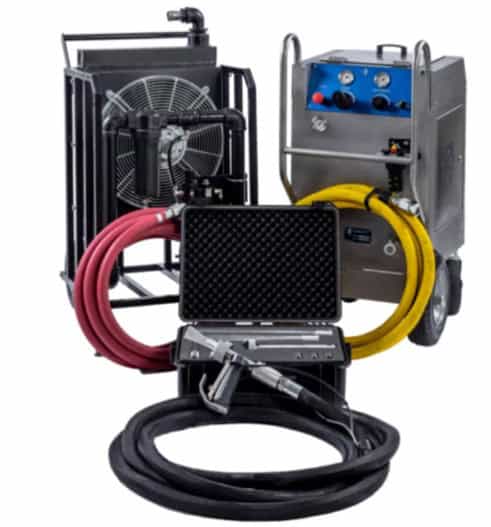
This solution is ideal for restoration professionals and service contractors who need a portable, fully contained solution. It includes the Viking 4000 Dry Ice Blaster, Air Preparation Unit 450, and all necessary hoses and nozzles.

View Contractor Package


The Factory & Manufacturer Package

Designed for facilities that already have access to dry plant air, this package includes the Viking 4000 Dry Ice Blaster along with the appropriate accessories for in-plant use, making it an efficient choice for ongoing maintenance applications.

View Factory & Manufacturer Package


Comparison: Renting vs. Buying Dry Ice Blasting Equipment

Feature Renting Buying
Best For Short-term or occasional use Frequent or ongoing use
Preventative Maintenance Responsibility* Wickens (Prior to Rental) Owner
Access to Training Available Available
Equipment Customization Limited Full control
Lead Time Immediate (based on availability) One-time delivery
Manpower Required You supply the team You supply the team
Canadian-Made Equipment ✔ ✔
Support From Wickens ✔ ✔

*It should be noted that customers are responsible for damage to equipment rentals.

Supporting Your Equipment Needs

Whether your business requires a short-term solution or long-term investment, Wickens provides the equipment, training, and support to ensure your dry ice blasting operations run efficiently and effectively. Contact us today to request a quote.

Roger White